You just bought a new serum. It smells great and the reviews are glowing. Now you’re about to put it all over your face. Stop for a second. A quick patch test on your arm can save you from a week of red, itchy skin.
Here’s how to patch test skincare the right way, and five gentle products that make good first tries if your skin is touchy.
These recommendations are not medical advice. Consult a dermatologist for persistent skin concerns.
Quick Picks
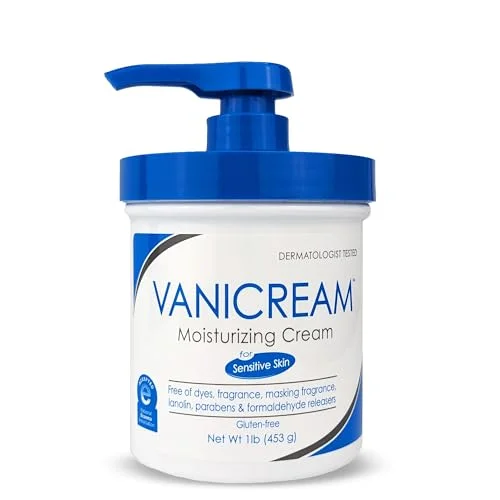 Best OverallVanicream Moisturizing Cream (16 oz pump)$12.88-$13.56as of Oct 13, 2026Read our take ↓
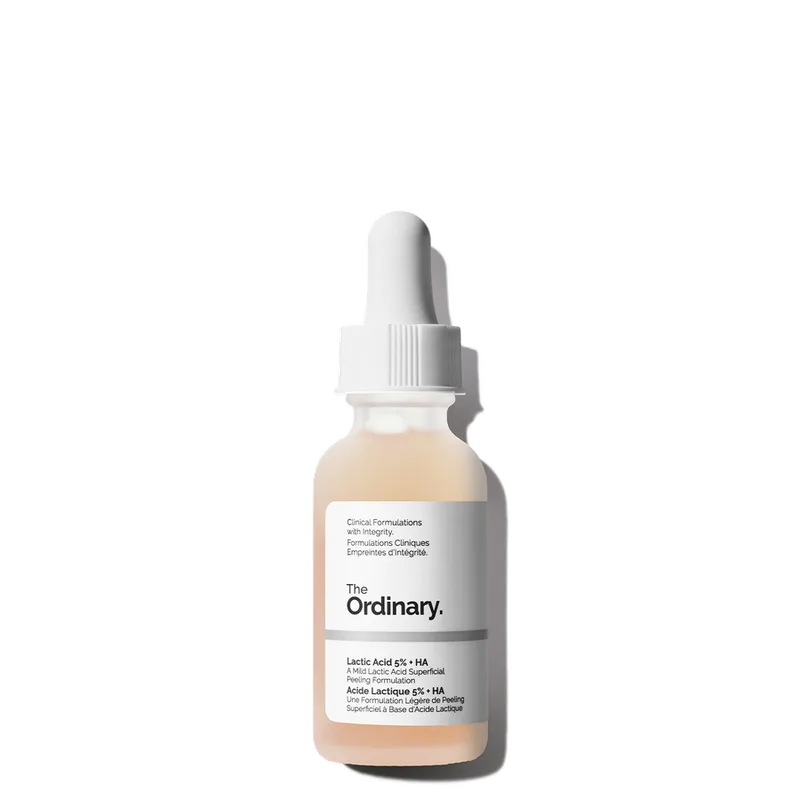 Budget PickThe Ordinary Lactic Acid 5% + HA (1 fl oz)$8.10as of Oct 13, 2026Read our take ↓
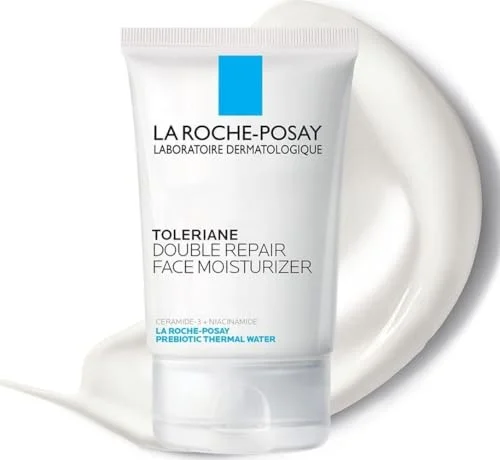 Worth the UpgradeLa Roche-Posay Toleriane Double Repair Face Moisturizer$23.74-$24.99as of Oct 13, 2026Read our take ↓
What a Patch Test Is (and Isn’t)
A patch test means putting a small amount of a new product on a small area of skin. Then you wait and watch for a reaction before using it on your face or body.
It helps you spot irritation, like stinging or redness. It can also flag an allergic-type reaction, like itching or bumps.
It isn’t a guarantee. A clean patch test makes a reaction less likely, but it can’t promise your skin will love the product. Some reactions only show up after repeated use.
How to Patch Test Skincare in 4 Steps
- Pick your spot. The inner forearm is the usual choice. Your skin there is thin and easy to watch. Skip any area that’s already irritated, broken, or sunburned.
- Apply a small amount. Use a dime-sized dab, or less. Leave it on, and don’t cover it with anything.
- Wait at least 24 hours. Many guides suggest repeating the dab on the same spot for a second day. Check the spot a few times.
- Look for signs. Redness, itching, burning, bumps, or swelling mean you should wash it off and skip the product.
If the spot looks and feels normal, try a small area on your face next. The area behind your ear or along your jaw works for many people. Then ease in with every other day for the first week.
Test One Product at a Time
Test new products one by one. If you try three at once and your skin reacts, you won’t know which one did it. Give each product its own patch test and its own few days of normal use before adding the next.
When a Patch Test Matters Most
Everyone can patch test. A few situations make it worth the extra day.
- Reactive or sensitive skin. If new products often sting, go slow every time.
- Active ingredients. Retinoids, AHAs, BHAs, vitamin C, and azelaic acid can all cause stinging or dryness as your skin adjusts. Start with low strengths. Our guide to retinol strengths explains how to pick one.
- Fragrance and essential oils. These are common triggers for skin that reacts easily. Look for “fragrance-free” on the label, which is different from “unscented.”
- A new brand you’ve never used. One product from a brand being fine doesn’t mean the next one will be.
Patch Test vs. Normal Adjustment
This part trips people up. Some actives cause mild tingling or dryness in the first few uses, and that can be a normal adjustment. A reaction that’s strong, spreading, or painful isn’t.
A simple rule: mild and short-lived is one thing. Burning, swelling, hives, or a rash that spreads means stop using it. If it doesn’t settle quickly, or you have trouble breathing or facial swelling, get medical help right away.
Common Patch Test Mistakes
A patch test only helps if you do it right. These are the slips that make the result useless.
- Testing on the wrong skin. The skin on your hand or wrist is tougher than your face. The inner forearm is a better stand-in, and the jaw or behind the ear is even closer.
- Skipping the second day. Some reactions are slow. A spot that looks fine at hour two can look different at hour 24.
- Washing it off too soon. If you rinse it off after a few minutes, you’ve only checked a quick rinse. Leave a leave-on product on for the full wait.
- Layering the test. Don’t put a new serum over a new cream on the same spot. You won’t know which one caused the problem.
- Ignoring the label. Look at the ingredient list for things you’ve reacted to before. A patch test can’t replace reading it.
How to Patch Test Different Product Types
The same basic idea works for most products. A few small tweaks help.
Leave-on products like serums, creams, and toners: follow the four steps above and keep the product on for the full 24 hours.
Rinse-off products like cleansers and masks: apply a small amount, leave it on for the time the label says, then rinse. Check the spot over the next day.
Sunscreen and makeup: patch test the same way. Sunscreen sits on your skin all day, so it’s worth the extra caution if you’ve reacted to one before.
Hair dye and similar products: these often come with their own patch test directions from the maker. Follow those instead of the general steps here.
What to Do If Your Skin Does React
Stay calm. Most mild reactions settle once you stop using the product.
- Rinse the area with lukewarm water and a gentle cleanser.
- Stop using the product, and any other new ones you added at the same time.
- Keep your routine bare for a few days: a gentle cleanser, a simple fragrance-free moisturizer, and sunscreen in the morning.
- Note the product name and its ingredients. If you see the same ingredient in a later reaction, you’ve found a pattern worth showing a dermatologist.
If the reaction is strong, spreading, or doesn’t improve in a few days, see a dermatologist. They can run formal allergy testing, which is a different thing from a home patch test.
Five Gentle Products to Try First
None of these skip the patch test. Even a fragrance-free, simple formula can bother someone. But if you have reactive skin, these are widely available picks with short, plain ingredient lists. Prices on the cards are checked against live Amazon listings.
Vanicream Moisturizing Cream
This is the simple baseline. The formula is free of fragrance, dyes, lanolin, and parabens, per the brand. The ingredient list is short, so if you do react, you have fewer suspects.
Good for: dry or reactive skin on the face and body. Use it morning and night.
Vanicream Moisturizing Cream (16 oz pump)
The Ordinary Lactic Acid 5% + HA
If you want to try an exfoliating acid, this is a gentle place to start. Lactic acid (an AHA) is milder than glycolic acid, and 5% is a low strength. Patch test it first, use it at night, and wear sunscreen the next day. Acids can make your skin more sun-sensitive.
Good for: first-time acid users with normal, dry, or sensitive skin. Start once or twice a week.
The Ordinary Lactic Acid 5% + HA (1 fl oz)
La Roche-Posay Toleriane Double Repair Face Moisturizer
This one is made for the face and adds ceramide-3 and niacinamide to a fragrance-free base. It layers well under sunscreen and makeup.
Good for: normal to dry skin that wants a lighter, face-focused moisturizer.
La Roche-Posay Toleriane Double Repair Face Moisturizer
Aveeno Calm + Restore Oat Gel Moisturizer
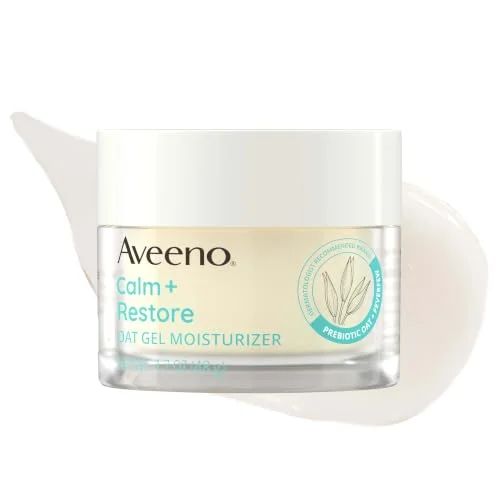
This is a gel cream with prebiotic oat and feverfew. It feels light, so it works for combination skin or humid days.
Good for: combination or easily congested skin. Very dry skin may need a richer cream on top in winter.
Aveeno Calm + Restore Oat Gel Moisturizer
The INKEY List PHA Toner
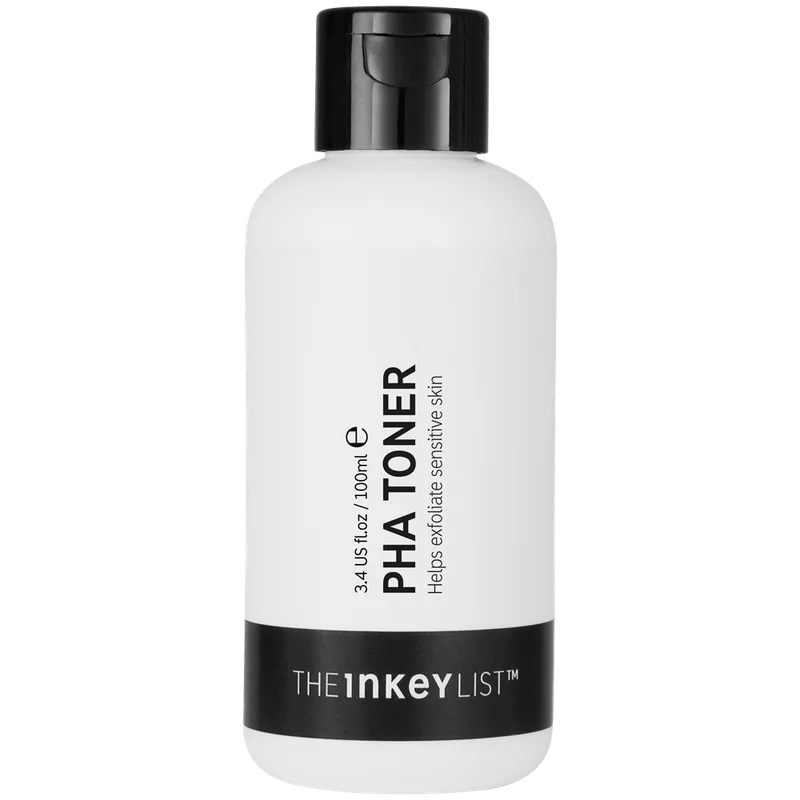
PHAs are a gentler kind of exfoliating acid. This toner pairs 3% gluconolactone with 3% niacinamide. It’s fragrance-free and alcohol-free. The exfoliation is mild, so don’t expect fast changes.
Good for: sensitive or reactive skin that wants light exfoliation. Patch test it, then try it a couple of nights a week.
The INKEY List PHA Toner (3.38 fl oz)
Where to Go Next
Ready to add an active? These roundups cover the next steps:
- Best chemical exfoliants for sensitive skin
- Best retinol for beginners
- Best azelaic acid products
- Best moisturizers for dry, sensitive skin
FAQ
How long should I patch test a skincare product?
At least 24 hours. Many guides suggest repeating the application on the same spot for a second day. If you’ve had reactions before, give it 48 hours.
Where is the best place to patch test?
The inner forearm is the most common spot. For a face product, you can follow up with a small area behind your ear or along your jaw.
Do I need to patch test every product?
It’s smartest for anything new with actives, fragrance, or botanical extracts, and for any new brand. Very plain products carry less risk, but no formula is risk-free.
What if I get a reaction?
Wash the product off with lukewarm water and stop using it. Mild redness usually settles on its own. If you see swelling, hives, blistering, or the reaction lingers, see a doctor or dermatologist.
Does a clean patch test mean the product is safe for me?
It means a reaction is less likely. It doesn’t rule out a reaction after repeated use, so keep an eye on your skin during the first couple of weeks.
The Bottom Line
A patch test takes about a minute and a day of waiting. Do it on your inner forearm, wait 24 hours, and add one new product at a time. If you want a gentle place to start, Vanicream is our pick for the simplest formula, and The Ordinary Lactic Acid is a low-cost first acid. If something stings, burns, or swells, stop and ask a dermatologist.
| Spec | Vanicream Moisturizing Cream (16 oz pump) $12.88-$13.56as of Oct 13, 2026 9.4 | The Ordinary Lactic Acid 5% + HA (1 fl oz) $8.10as of Oct 13, 2026 8.7 | La Roche-Posay Toleriane Double Repair Face Moisturizer $23.74-$24.99as of Oct 13, 2026 9 | Aveeno Calm + Restore Oat Gel Moisturizer $14.24-$14.99as of Oct 13, 2026 8.8 | The INKEY List PHA Toner (3.38 fl oz) $17.10-$18.00as of Oct 13, 2026 8.9 |
|---|---|---|---|---|---|
| Size | 16 oz pump dispenser | 1 fl oz / 30 mL | 3.38 oz | 1.7 oz | 3.38 fl oz / 100 mL |
| Key Ingredients | Glycerin, petrolatum, sorbitol | — | Ceramide-3, niacinamide, glycerin, prebiotic thermal water | Prebiotic oat, feverfew | — |
| Texture | Medium cream, non-greasy | — | Lightweight cream | Gel cream | Watery, lightweight toner |
| Fragrance | Fragrance-free; also free of dyes, lanolin and parabens | — | Fragrance-free | Fragrance-free | — |
| Rating | 9.4 | 8.7 | 9 | 8.8 | 8.9 |
Prices change daily — tap Check Price for the current Amazon price.
Prices change daily — tap Check Price for the current Amazon price.